




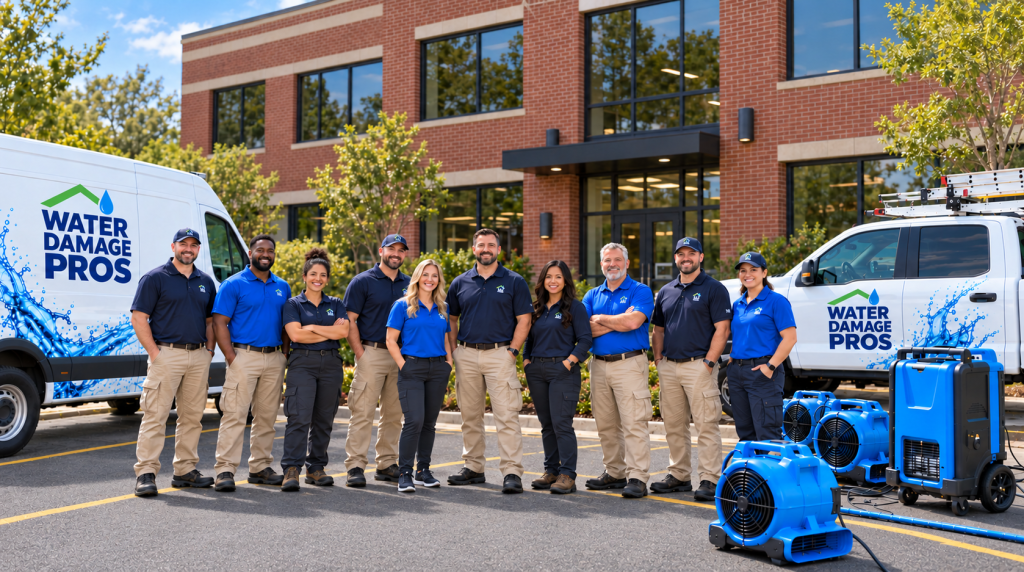
Flooded Basement Cleanup in Elmhurst, Illinois
When a basement fills with water, the first priorities are safety, water removal, and finding out how far the damage has spread. Our team helps homeowners, landlords, property managers, and commercial property owners in Elmhurst with basement water cleanup after burst pipes, appliance leaks, sump pump failures, heavy rain, snowmelt, or sewer backups.
We begin by locating the source and inspecting the basement, connected rooms, stored contents, and nearby mechanical areas. Moisture mapping helps us find water that has moved below flooring or behind walls. We also look for risks around electrical systems, furnaces, water heaters, and other equipment before work begins.
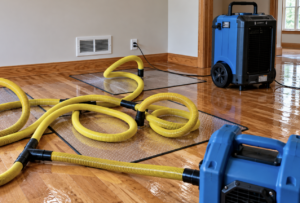
Next, extraction equipment removes standing water from carpet, pad, flooring, and other wet surfaces. Air movers and dehumidifiers support structural drying, while moisture meters help track conditions in drywall, baseboards, cabinets, framing, and subflooring. Thermal imaging supports the inspection of hidden damp areas when it is useful.
Keep children and pets away from standing water. Do not enter if water has reached outlets, appliances, or electrical equipment. If the water came from a sewer backup, avoid contact and wait for professional cleanup. Once the area is safe to assess, our IICRC Certified technicians identify the source, document affected rooms, and explain the next steps.
Need Restoration Help in Elmhurst? Call (630) 604-3110
We remove standing water, check moisture in floors and walls, and set up controlled drying for the structure and contents. Photos, moisture readings, and clear updates help you understand what was affected and what work remains. Our team is also BBB Registered, and we keep the process organized from the first assessment through repair planning.
How We Handle a Flooded Basement
Our technicians monitor the drying process instead of relying on how a surface looks. We clean salvageable materials and contents, document readings, and explain which damaged materials need removal. Once the area is dry and stable, we outline repair needs for flooring, drywall, insulation, cabinets, trim, or other affected parts of the basement.
Commercial Flooded Basement Cleanup in Elmhurst
Commercial basements often contain storage, mechanical equipment, tenant spaces, inventory, or shared building systems. Offices, restaurants, retail spaces, and industrial properties also need access routes and work zones that protect unaffected areas. We plan equipment placement and drying areas around occupants, deliveries, parking, and ongoing operations.
Property managers and business owners receive clear documentation of affected rooms, moisture readings, equipment placement, cleaning work, and remaining repairs. This helps keep tenants informed and gives decision-makers a practical record of the cleanup.
Seasonal Basement Flooding in Elmhurst
Spring snowmelt and saturated soil can push water toward basements and low areas. Summer thunderstorms can overwhelm drains or send runoff toward lower entrances. Fall leaves can block gutters and yard drains, while winter freezes can burst supply lines or worsen small foundation cracks. After the water is removed, we check the likely source and explain repairs that can reduce repeat problems.
Water Damage Cleanup Pricing
The cost of flooded basement cleanup depends on the water source, affected materials, the size of the area, and the drying or repair work required. We assess the property and explain the recommended work before restoration moves forward.
- Small water loss: $1,000–$3,000
- Moderate water loss: $3,500–$7,500
- Large water loss: $7,500–$15,000+
These prices are general reference points and are not a quote or estimate for a specific property. Actual restoration costs depend on the source and category of water, affected square footage, materials involved, length of exposure, equipment needs, demolition, cleaning, drying time, and repairs. A complete price estimate requires an onsite inspection because the final scope depends on the actual conditions at the property.
Frequently Asked Questions
What should I do when my basement floods?
Keep people and pets away from the water and avoid the area if electrical equipment may be affected. Once it is safe to enter, our team can assess the source, remove standing water, and check for hidden moisture.
Can you remove water from a finished basement?
Yes. We extract water from finished basement floors and inspect drywall, trim, cabinets, insulation, framing, and subflooring. Drying equipment and moisture readings help guide the cleanup.
How do you find moisture that is not visible?
We use moisture meters to check building materials and may use thermal imaging to support the inspection. Moisture mapping shows whether water moved below flooring or behind walls.
What happens if the basement water came from a sewer backup?
Sewer-related water requires careful handling and a separate cleanup plan. We assess affected materials and surfaces, remove contaminated materials when required, and document the work.
Do you help commercial properties with flooded basements?
Yes. We plan commercial cleanup around occupants, tenant areas, inventory, shared systems, access routes, and equipment placement. Clear records help owners and managers track affected areas and remaining repairs.
How do I know when the basement is dry?
A dry-looking surface does not confirm that the structure is dry. We monitor moisture readings during the drying process and use those readings to guide equipment removal and repair planning.